It started at childcare pickup.
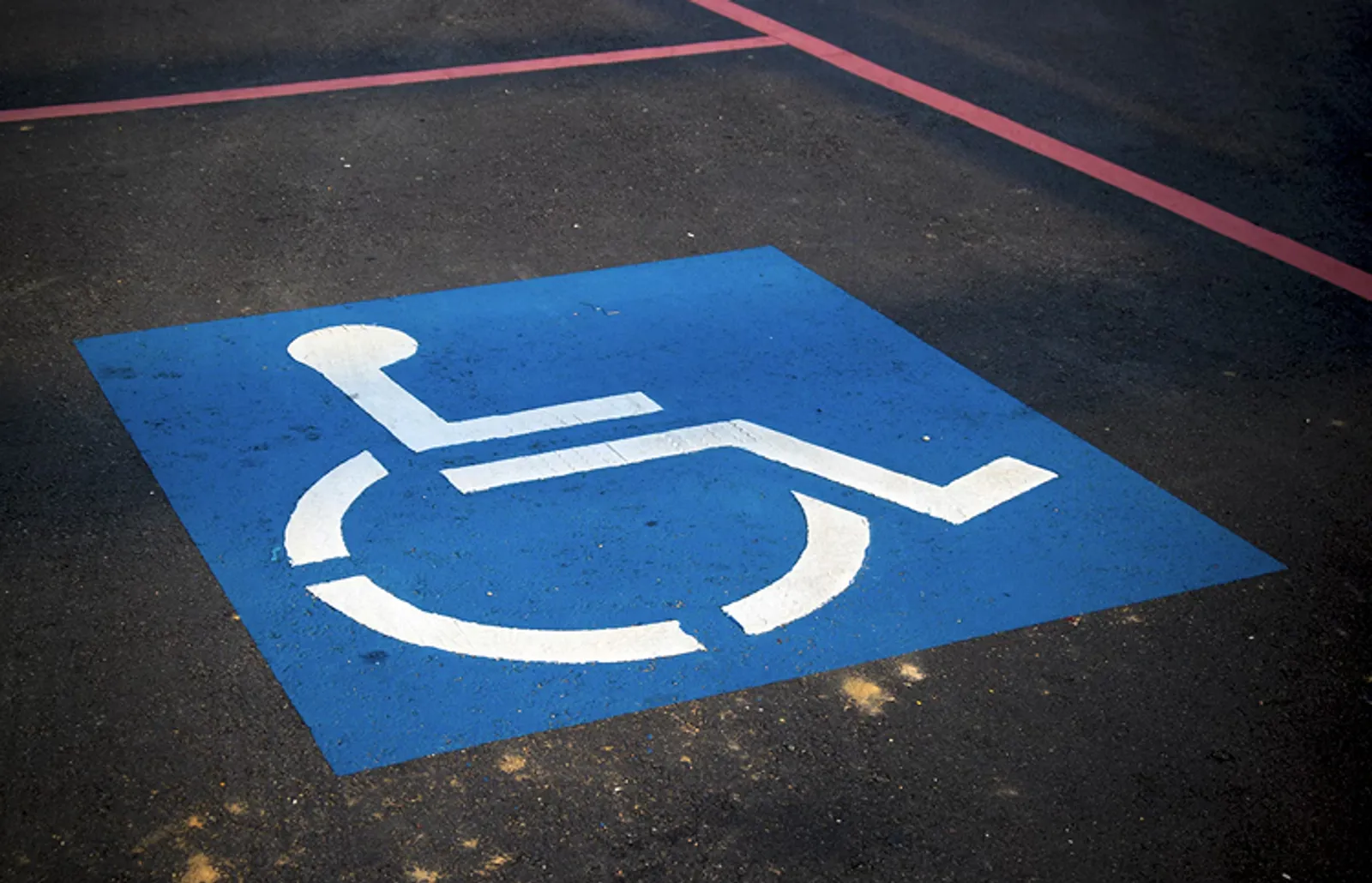
A dad who uses a wheelchair told me how difficult it was to find reliable information about accessible parking. His question was straightforward: if he drove somewhere, could he find a dedicated accessible space at his destination?
He asked whether I knew anyone who could build something to help. I said I could.
Make something we can talk about.
I opened an AI prototyping tool on my phone and put together a rough map interface. It had placeholder markers and dummy content, but it made the idea tangible enough for an immediate conversation.
That led to the next requirements: address search, the ability to add parking spaces, and one-tap navigation through a preferred navigation app.
The hard part was the information.
Building the interface exposed the real challenge: reliable information about existing spaces. Official data alone did not cover what people needed.
I introduced community contributions and simplified the information required for a location: an address, the number of spaces, and a note about constraints or additional details. For a working version, I moved to a small PHP application with a self-hosted SQLite database.
What I’m taking forward.
The idea attracted interest from the City of Erlangen and disability representatives at Siemens Erlangen. The underlying need clearly extended beyond that first conversation.
The project keeps bringing me back to the same questions: how can a community keep information useful, how do we communicate uncertainty, and how do we make contributing worthwhile?